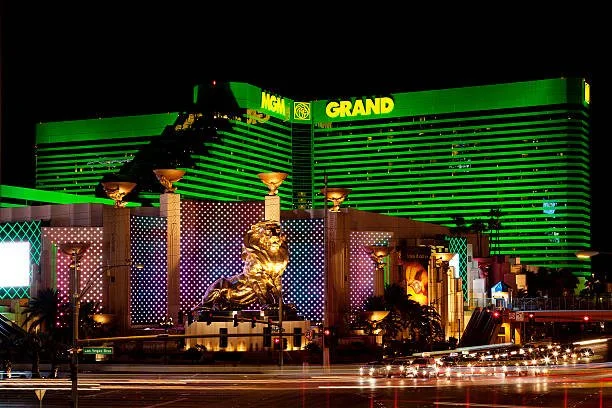
Inside MGM’s Global Hospitality By: Danna Alvarez
How does MGM Grand adapt its service standards to respect the customs of its international guests?
Honestly, a lot of it is just being aware and flexible. You pick up on things — like some guests prefer more formal interactions, others want quick and casual. We also rely on translation tools, multilingual coworkers, and just being patient. It's less "policy" and more reading the guest in front of you.
In what ways is it difficult to maintain MGM's brand consistency across its global properties?
It's tough because what "luxury" means isn't the same everywhere. Guests in Vegas might expect a fun, high-energy vibe, while in places like MGM, it can be more reserved and service focused. You try to keep the same level of quality, but the delivery changes.
Can you provide an example of how three different MGM properties give travelers an authentic local experience?
At Mandalay Bay, the experience feels more like a tropical resort — with a laid-back vibe, beach-style pool, and a sense of escape from the typical Vegas energy. Bellagio offers a more upscale, European-inspired atmosphere with its fountains, conservatory, and focus on art and luxury. And at Luxor Hotel and Casino, the iconic pyramid and Egyptian theme create a fun, unique stay that feels completely different from the others. So even within the same city, each property gives guests a distinct and memorable experience.
How does MGM balance local design elements with its modern hospitality brand across different properties?
The structure is always the same — clean rooms, solid service, that "MGM standard." Then the design and little details shift depending on where you are. So it still feels familiar, but not generic.
How do you educate guests about the local culture of wherever they are staying?
At the desk, it's mostly through recommendations. People ask "what should I do?" and that's your chance to point them to shows, food, or experiences they wouldn't find back home. You kind of act like a mini tour guide.
How has MGM created economic opportunity for local employees, artisans, and community vendors?
You see it in hiring — lots of locals on staff — and in things like restaurants sourcing locally or featuring regional chefs and art. It's not always obvious from the outside, but it's there.
What are the most fascinating parts of operating hotels in different countries, and what mistakes have you learned from?
The coolest part is meeting people from everywhere and seeing how differently they travel. Biggest lesson? Don't assume. What seems normal to you might not be for them — communication matters a lot more than you think.
Can you describe any tensions you have experienced between tourism development and cultural or environmental preservation at an MGM property?
In Vegas it's less visible, but in other locations you hear about it more — like development vs. keeping local identity. The balance is trying to bring in business without wiping out what makes the place unique.